Essential Car Emergency Kit: What to Keep in Your Vehicle
Published: Nov 19, 2026
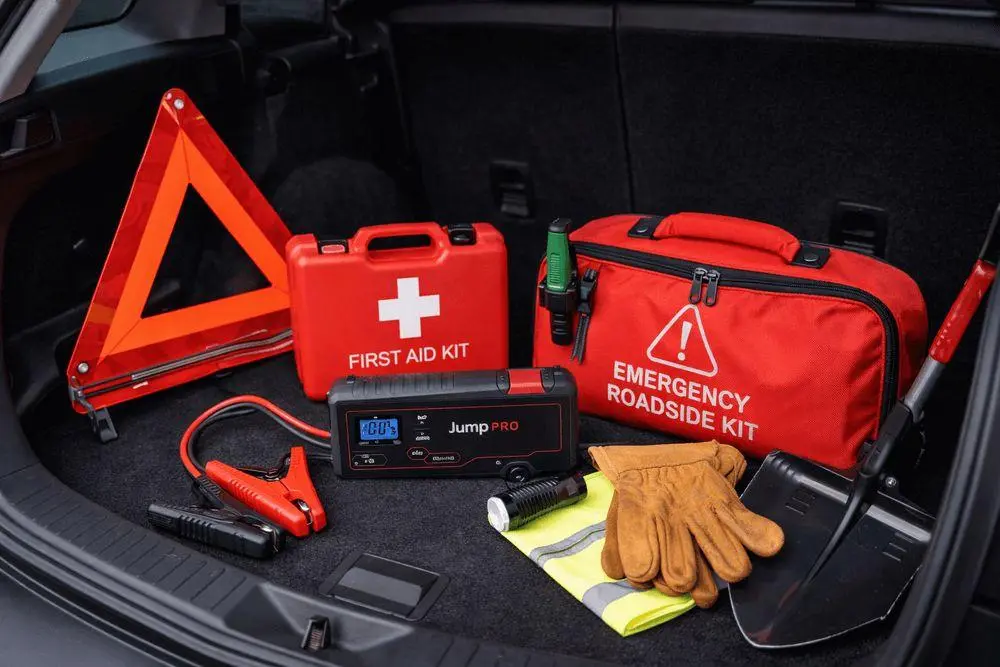
A vehicle breakdown or unexpected roadside emergency can happen even when your car is properly maintained. A dead battery, flat tire, unexpected delay, or severe weather can leave you waiting for assistance when you least expect it.
Keeping a basic emergency kit in your vehicle can make those situations easier to manage. You don't need an expensive preassembled package, either. Many useful supplies are inexpensive everyday items that can be organized in a storage container or durable bag.
This guide covers the essential items to keep in your vehicle, additional equipment worth considering, and a few things to check periodically so your supplies are ready when you need them.
Quick Car Emergency Kit Checklist
Use this checklist as a starting point when putting together your own kit.
Roadside safety
- [ ] Reflective warning triangle or other roadside warning device
- [ ] Reflective safety vest
- [ ] Flashlight and spare batteries
- [ ] Cell phone charging cable and car charger
- [ ] Portable power bank
- [ ] Roadside assistance contact information
Basic tools and vehicle supplies
- [ ] Jumper cables or a compatible portable jump starter
- [ ] Tire pressure gauge
- [ ] Portable tire inflator
- [ ] Basic tool kit
- [ ] Work gloves
- [ ] Duct tape
- [ ] Paper towels or cleaning cloths
- [ ] Spare windshield washer fluid
Personal essentials
- [ ] First-aid kit
- [ ] Bottled drinking water
- [ ] Nonperishable snacks
- [ ] Emergency blanket
- [ ] Rain poncho
- [ ] Tissues and wet wipes
- [ ] Any necessary personal supplies
Vehicle-specific items
- [ ] Spare tire or manufacturer-approved tire repair equipment
- [ ] Vehicle jack and lug wrench, if equipped
- [ ] Owner's manual
- [ ] Insurance and roadside assistance information
- [ ] Spare fuses, if appropriate for your vehicle
Not every item is necessary for every driver. Your vehicle, climate, travel habits, and access to roadside assistance should influence what you carry.
1. Roadside Safety Equipment
If your vehicle becomes disabled, being visible to other drivers is one of the first concerns.
Reflective warning triangle
A warning triangle can alert approaching drivers that your vehicle is stopped ahead. Keep it somewhere accessible rather than buried beneath luggage.
Only place warning devices when it is safe to do so. Never put yourself in traffic to position one.
Reflective safety vest
A reflective vest makes you more visible if you need to exit your vehicle in low-light conditions. Keep it within reach of the driver's seat.
Flashlight
A reliable flashlight is useful when inspecting a tire, looking under the hood, or locating something inside your vehicle after dark. Check the batteries periodically, or choose a rechargeable model and keep it charged.
Phone charger and power bank
Your phone may be your most important emergency communication tool. Keep a charging cable and compatible car charger in the vehicle. A charged portable power bank provides another option if the vehicle's electrical system is unavailable.
2. Battery and Tire Emergency Equipment
Battery problems and tire issues are common reasons drivers need roadside assistance. A few supplies can help you prepare for either situation.
Jumper cables or portable jump starter
Jumper cables can be useful when another vehicle is available to provide assistance. A portable jump starter offers an alternative that does not require a second vehicle.
Choose equipment compatible with your vehicle and follow the manufacturer's instructions. Check your owner's manual before attempting a jump-start, particularly with hybrid and electric vehicles, because connection points and procedures can differ.
Portable tire inflator
A compact inflator can help restore tire pressure when a tire is low. Some models connect to a 12-volt outlet, while others use rechargeable batteries.
An inflator does not repair a puncture or make an unsafe tire suitable for driving. Check the tire for damage and follow the vehicle manufacturer's recommendations.
Tire pressure gauge
A separate tire pressure gauge gives you a way to check inflation accurately. Use the recommended pressure listed on the vehicle's tire information label rather than the maximum pressure printed on the tire sidewall.
Spare tire equipment
If your vehicle has a spare tire, make sure it is properly inflated and that you have the correct jack and lug wrench.
Only attempt a tire change when the vehicle is parked on firm, level ground away from traffic and it is safe to do so. Never place yourself beneath a vehicle supported only by a jack. If conditions are unsafe, call for roadside assistance.
3. First-Aid and Personal Supplies
A roadside emergency can involve more than a mechanical problem. Having a few personal supplies available can make an unexpected wait more comfortable.
First-aid kit
A basic first-aid kit can help with minor cuts, scrapes, and other small injuries. Check its contents periodically and replace expired or used supplies.
Drinking water
Keep drinking water available, especially for longer journeys and hot-weather travel. Rotate stored supplies regularly and avoid leaving temperature-sensitive items in a hot vehicle for extended periods.
Nonperishable snacks
Energy bars, crackers, and other shelf-stable snacks can be useful during unexpected delays. Replace items before they expire.
Emergency blanket
A compact emergency blanket takes up little storage space and can provide an additional layer of warmth when temperatures drop.
Personal essentials
Consider tissues, wet wipes, a rain poncho, and any other non-medical personal supplies that would make an extended roadside wait easier.
Keep prescription medicines in appropriate temperature-controlled storage rather than routinely leaving them inside a hot or cold vehicle.
4. Basic Tools and Useful Extras
You don't need a complete mechanic's toolbox in your trunk. A few basic supplies can help with minor situations.
Consider carrying:
- A small tool kit with screwdrivers and pliers
- Work gloves
- Duct tape for temporary, non-critical fixes
- Paper towels or cleaning cloths
- Spare windshield washer fluid
- Spare fuses if they are appropriate for your vehicle
These items are useful for minor tasks, but they should never replace a proper repair. Avoid attempting roadside repairs that could put you or other drivers at risk.
5. Adjust Your Emergency Kit for Your Climate and Travel
A useful emergency kit should reflect where and how you drive.
For hot-weather driving
Drivers in warmer climates may want to prioritize:
- Drinking water
- Sun protection
- A compact rain poncho
- A reliable phone charging solution
- Supplies for longer waits in high temperatures
Never leave children or pets unattended in a parked vehicle.
For cold-weather driving
If you regularly travel in areas with snow or freezing temperatures, consider adding:
- Warm clothing and gloves
- Additional blankets
- An ice scraper and snow brush
- A compact snow shovel
- Sand or other suitable traction material
NHTSA recommends carrying additional supplies for winter driving, including snow-removal equipment, traction material, blankets, food, water, and necessary medication.
For long road trips
Long-distance drivers may benefit from:
- Extra drinking water and nonperishable food
- Paper maps
- Additional charging equipment
- A more comprehensive first-aid kit
- Extra clothing
- Roadside assistance information
Think about the places you travel and how long it might take for help to reach you.
6. Don't Forget to Maintain Your Emergency Kit
Putting an emergency kit together is only the first step. Supplies can become damaged, depleted, or outdated while sitting in a vehicle.
A quick inspection every few months is a useful habit.
Check that:
- Flashlights work and batteries are charged.
- Your portable jump starter or power bank is charged according to its manufacturer's recommendations.
- First-aid supplies are complete and within their expiration dates.
- Food and water have been replaced when necessary.
- Your tire inflator and pressure gauge work.
- Your spare tire is properly inflated.
- Important contact information is current.
- Seasonal supplies match the weather and your travel plans.
Keep the kit organized in a secured storage container so that loose equipment doesn't move around the vehicle.
If you're gathering these essentials, we've put together an Amazon Idea List with useful items to help you build a practical emergency kit for your vehicle.
Final Thoughts
A practical car emergency kit doesn't have to be complicated or expensive. Start with roadside visibility equipment, a flashlight, phone charging supplies, basic first-aid items, and equipment suited to your vehicle.
Add other supplies based on your climate and driving habits, then inspect everything periodically.
Most importantly, remember that emergency equipment is there to help you prepare—not to make every roadside situation safe to handle yourself. If your vehicle is disabled in a dangerous location or you are unsure how to perform a repair, prioritize your safety and contact professional assistance.
For more equipment and practical vehicle-preparation advice, explore our Emergency Car Gear Category.